
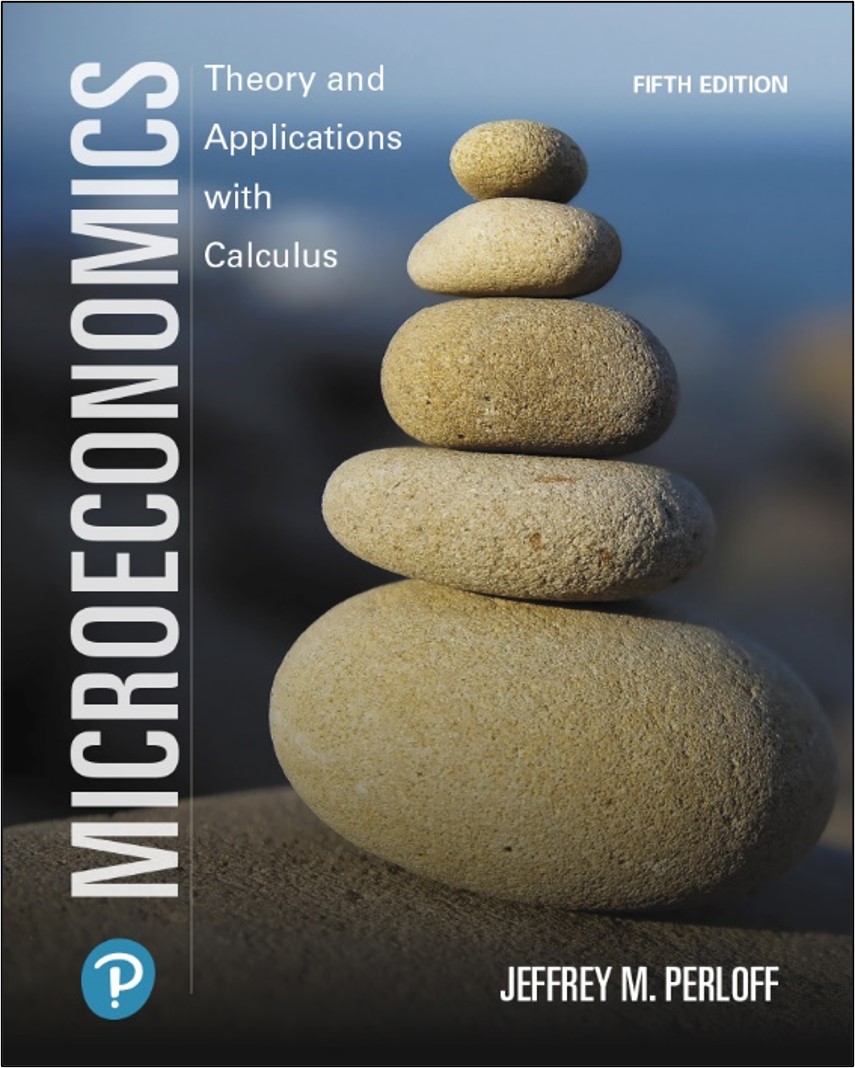
Course description
Intermediate Microeconomics is one of the cornerstones of undergraduate economics training. In this course we will learn several of the workhorse models and problem-solving techniques that microeconomists apply to a wide selection of theoretical and empirical questions related to the production and consumption activities of individual economic units. Areas of concentration include the theory of consumer behavior, producer theory, market structure, game theory, market failures, and factor markets.
Prerequisites:
Economics 101 and Calculus I or equivalent
Learning outcomes
- Students will learn calculus-based microeconomic models and apply them to evaluate consumer choice, the theory of the firm, market structure, market failures, and various government policies.
- Students will apply and analyze these core theoretical models to real-world problems using news articles, blogs, and podcasts.
- Students will solve constrained optimization problems to evaluate consumer choice and the theory of the firm (including both input and output markets)
- Students will compare the efficiency implications of various market structures, market failures, and common government policies.
- Students will complete the assigned readings, solve problem sets, undertake a written assignment, and demonstrate proficiency of the course materials on exams to achieve the learning outcomes.
- Teacher: Odmaa Narantungalag