
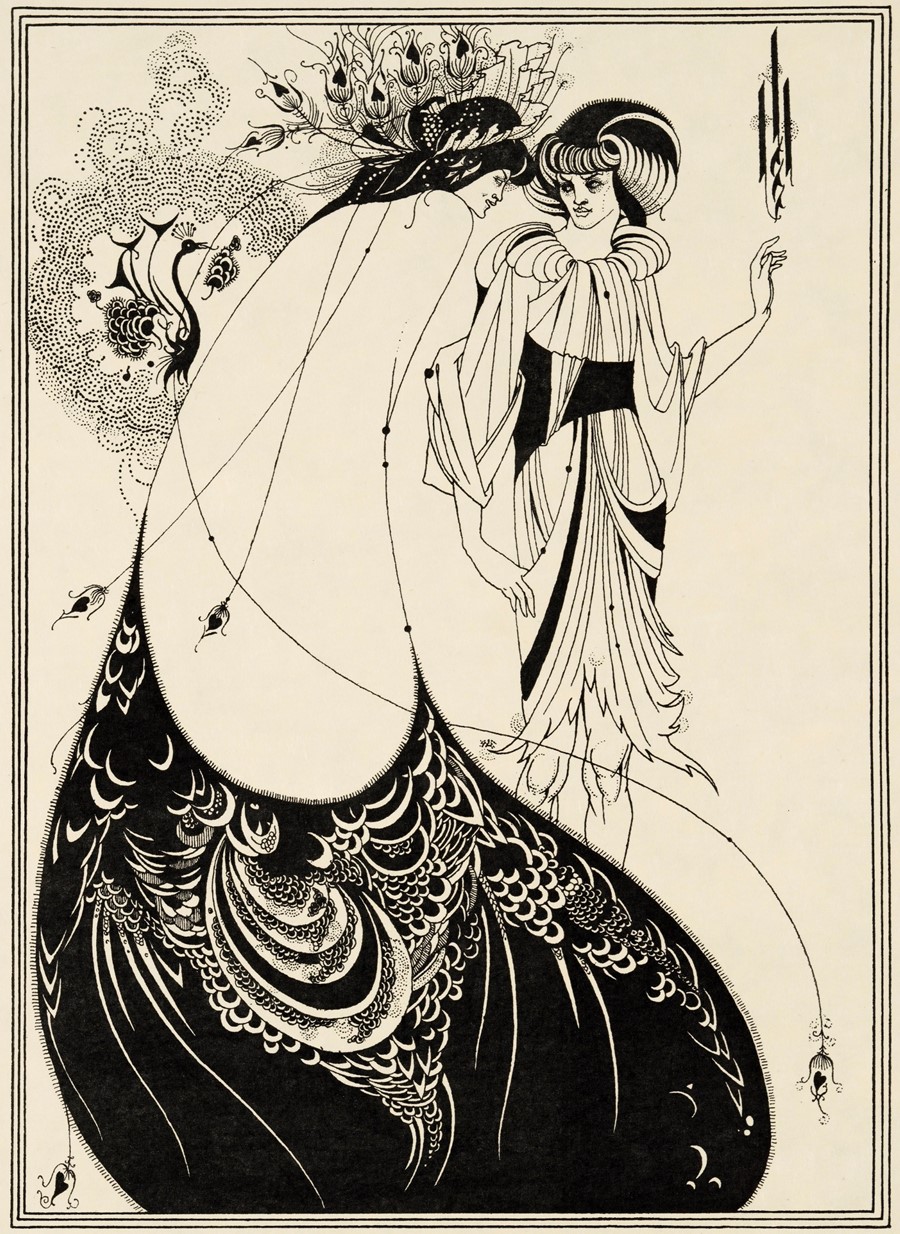
This transhistorical course will examine representations of sexuality, desire, and passion in British literature from the eighteenth century to the present. Proceeding from critic Ellis Hanson’s observation that we can see sexuality as a set of scripted performances (or a set of stories we tell ourselves about ourselves), we will trace a literary history of sexual desire, ranging from the first erotic novel in English, John Cleland’s Fanny Hill, or Memoirs of a Woman of Pleasure (1748), to Oscar Wilde’s Salomé (1891), the one-act play of the Biblical story; from Victorian desire in Dracula (1897) to digital desire in the twenty-first century; and from the symphorophilia in J.G. Ballard’s Crash (1973) to the zoophilia in Robinson Devor’s controversial documentary, Zoo (2007). In an effort to expand our critical vocabulary for considering erotic desire as a field of intellectual inquiry, we also survey some important trends in sexual theory and sexual politics, including the work of Roland Barthes, Sigmund Freud, Michel Foucault, Judith Butler, and Eve Sedgwick, among others.
- Teacher: Maria Fackler