
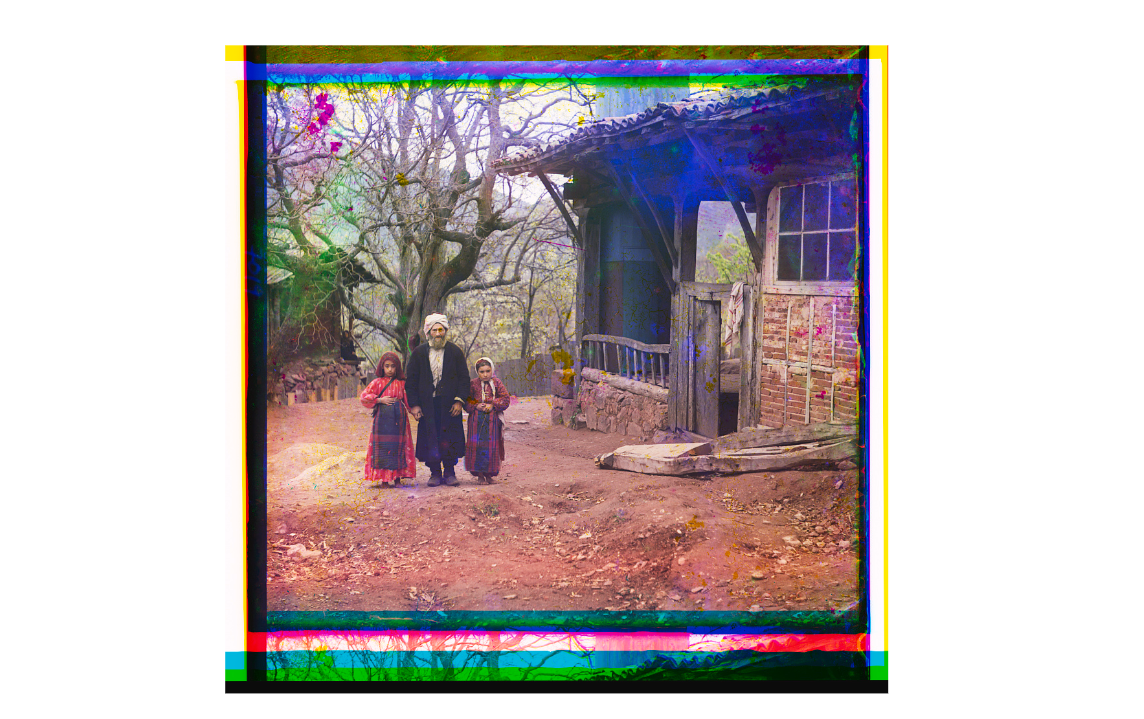
The Russian Revolution of 1917 brought an end to the world's largest land empire and one of Europe's most enduring Great Powers. How did the Russian empire collapse, and what did that collapse look like? This survey of Russian imperial history covers the rise and dramatic fall of the Tsarist state and the political, economic, and social life of its subjects from 1801-1917. At its height, the Russian empire comprised one-sixth of the earth and ruled over an enormous diversity of peoples: Russians, Belarusians, Ukrainians, Jews, Lithuanians, Koreans, Tatars, Armenians, Greeks, Baltic Germans, Poles, and many more. What was the nature of Russian imperial expansion and how did the Tsarist state rule over the different ethnic and national groups within its changing borders? How can we understand the relationship between the Russian empire, and the states which followed it?
In this survey course students will have the chance to explore these and other questions through our readings of primary sources, and by engaging with painting, photographs and other cultural artifacts. Paying special attention to the empire's diversity, we will uncover the long history of the many nations and peoples who lived within its borders, and the current uses (and misuses) of the Russian imperial past.
- Teacher: Tova Benjamin